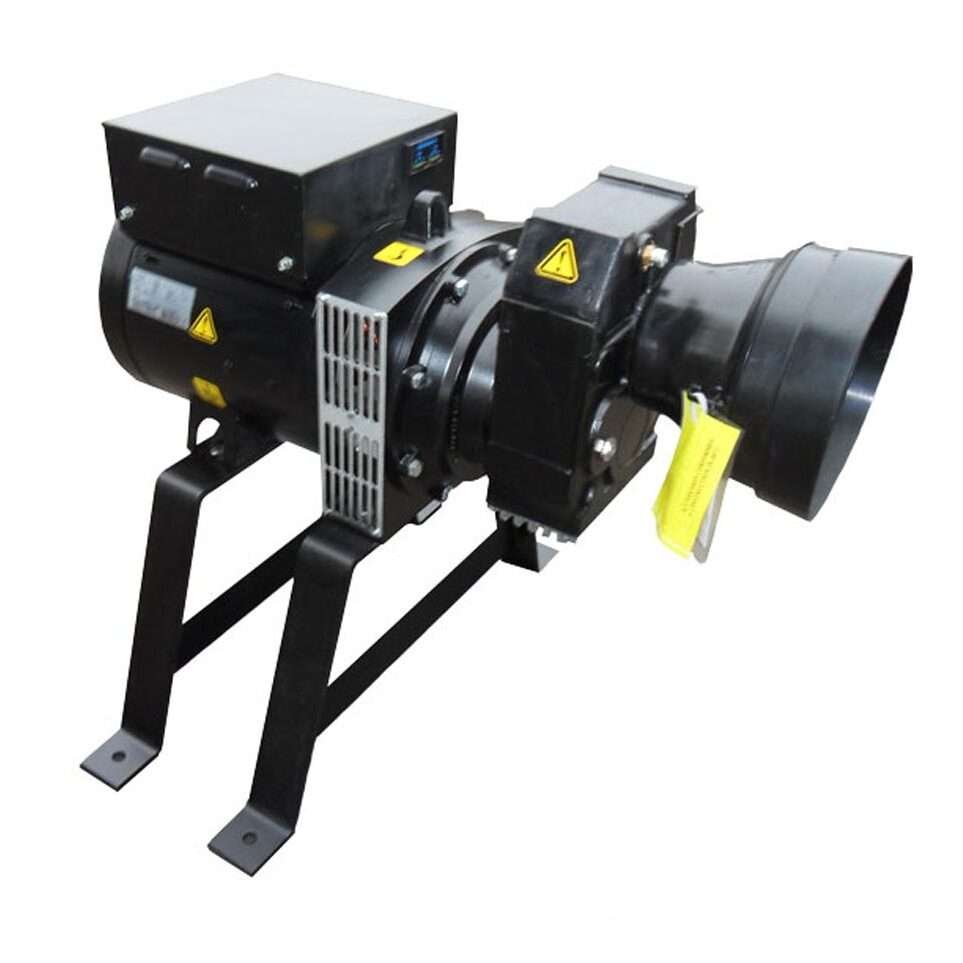
When the lights go out, and the familiar hum of modern life falls silent, an unexpected sense of vulnerability can set in. But for those with a tractor and a PTO generator, a temporary blackout doesn't have to mean a complete shutdown. These robust, tractor-driven powerhouses offer a reliable and often economical solution for emergency backup or remote power needs. However, safely harnessing this power requires a deep understanding of PTO Generator Setup & Operation. This guide will walk you through everything you need to know, from the initial planning stages to confident, safe operation, ensuring your system provides reliable power when you need it most.
At a Glance: Your Quick Setup Checklist
- Prioritize Safety Above All: Always. No exceptions.
- Size It Right: Match your generator's output (KW) to your actual power needs.
- Tractor Compatibility: Ensure your tractor's PTO horsepower meets the generator's input requirements.
- Invest in a Transfer Switch: Absolutely critical for safe home backup power and preventing dangerous backfeeding.
- Understand Your Wiring: Follow the generator's wiring diagram precisely.
- Secure All Connections: Loose wiring is a fire hazard.
- Proper Grounding: Essential for electrical safety.
- Test Thoroughly: Before relying on it, verify voltage and frequency under load.
- Regular Maintenance: Keep your generator ready for action.
The Undeniable Appeal of a PTO Generator
In a world increasingly prone to unpredictable weather events and grid instability, having an independent power source isn't just a luxury; for many, it's a necessity. PTO generators stand out for several compelling reasons:
- Cost-Effectiveness: Often, they offer a higher power output per dollar compared to dedicated engine-driven generators, especially if you already own a suitable tractor. You're leveraging an existing engine, reducing redundant component costs.
- Reliability: Tractors are built for hard work. Their engines are typically robust, well-maintained, and designed for long hours of operation, translating to dependable power generation.
- Versatility: From powering a remote cabin or workshop to providing crucial backup for an entire home, PTO generators come in a wide range of capacities, often from 10KW up to 100KW, as noted by Messicks.com. This allows you to power anything from essential circuits to your entire property.
- Fuel Efficiency (Potentially): Modern tractor diesel engines can be remarkably fuel-efficient, offering longer run times on a tank of fuel compared to some gasoline-powered generators.
Think of it as adding a power-generating attachment to your most versatile piece of farm equipment. It's an intelligent way to maximize your existing investment and build resilience against unforeseen disruptions. Many consider PTO driven electric generators to be among the most practical solutions for serious backup power needs.
Before You Begin: The Critical Pre-Flight Check
Before you even think about connecting wires or shafts, a few crucial considerations will set you up for success and safety.
1. Sizing Your Generator: How Much Power Do You Really Need?
This is perhaps the most common pitfall. An undersized generator won't power everything, and an oversized one is an unnecessary expense.
- List Your Essentials: Walk through your home or facility and identify what must run during an outage. This might include your well pump, refrigerator, freezer, furnace fan, essential lights, and perhaps a few small electronics.
- Calculate Starting Watts (Surge Watts): Appliances with electric motors (refrigerators, pumps, HVAC units) require a much higher surge of power to start than they do to run. This "starting watts" value is critical.
- Tip: Check the appliance's data plate or manual. If only running watts are listed, multiply by 2-3 for a rough starting watts estimate.
- Calculate Running Watts: Add up the running watts of all the appliances you want to operate simultaneously.
- Generator Capacity: Your generator's "rated output" (continuous watts) must exceed your total running watts, and its "surge output" (maximum starting watts) must be able to handle the highest starting load among your chosen appliances. When in doubt, it's safer to go slightly larger.
2. Tractor Compatibility: Matching Horsepower to Power Demands
Your tractor's power take-off (PTO) is the heart of the system.
- Generator Input HP: Every PTO generator specifies the minimum PTO horsepower (HP) required to achieve its full rated output. This is typically found on the generator's nameplate or in its manual.
- Tractor PTO HP: Check your tractor's specifications for its PTO HP. Ensure your tractor's available PTO HP meets or exceeds the generator's requirement.
- Caution: Don't confuse engine HP with PTO HP. PTO HP is always lower due to drivetrain losses.
- RPM: PTO generators are designed to operate at specific PTO RPMs, typically 540 RPM or 1000 RPM. Your tractor must be capable of maintaining the correct RPM to produce the generator's rated frequency (Hz) and voltage.
3. The Transfer Switch: Your Non-Negotiable Safety Gate
If you're using a PTO generator to power your home, a transfer switch is not optional; it's absolutely essential for safety and legal compliance.
- What it does: A transfer switch isolates your home's electrical system from the utility grid before connecting it to the generator.
- Why it's critical: Without it, your generator could "backfeed" electricity onto the utility lines. This creates a deadly hazard for utility workers who might be working on seemingly de-energized lines, and it can also severely damage your generator if grid power suddenly returns.
- Types:
- Manual Transfer Switch: You manually switch between utility and generator power. This is the most common and economical option for PTO generators.
- Automatic Transfer Switch (ATS): Detects power outages and automatically switches to generator power. Less common for PTOs as the tractor needs to be started manually.
- Professional Installation: Always have a qualified, licensed electrician install your transfer switch. This is not a DIY project unless you are a certified electrician yourself.
Navigating the Power Connection: PTO Generator Wiring Demystified
Understanding the wiring is paramount for safe and effective operation. As DiagramBoard.com emphasizes, "The wiring diagram for a PTO generator is the most important piece of information to understand when wiring a generator for any application."
1. Deciphering Your Wiring Diagram
Every generator comes with a wiring diagram. Read it, understand it, and follow it to the letter. It's your blueprint for safe connectivity.
- Main Power Input: This is where the generated power exits the generator. It might offer 240V, 120V, or both. Your home's main panel will determine what you need.
- Output Connection: Power from the generator typically feeds into your transfer switch, which then directs it to your home's breaker box.
- Amperage and Voltage: The diagram will specify the amperage and voltage ratings for each output. Ensure your cables and connections are rated for these values.
2. Crucial Safety Features Built-In
Modern PTO generators come equipped with vital safety mechanisms:
- Ground Fault Circuit Interrupter (GFCI): This device detects imbalances in current flow, indicating a ground fault (like a short circuit), and rapidly cuts power to prevent electric shock.
- Over-Current Protection: Typically in the form of circuit breakers, these devices prevent excessive current flow that could damage the generator or connected appliances, or cause fires. Never bypass these.
3. Secure and Insulated Connections: The Foundation of Safety
- Well-Insulated Cables: All power cables must be properly insulated and rated for outdoor use, especially if they will be exposed to the elements. Inspect them regularly for any nicks, cuts, or wear.
- Firmly Secured Terminals: Loose connections can generate heat, arc, and cause fires. Ensure all wire terminals are clean, tight, and corrosion-free. Use appropriate lugs and torque specifications.
- Correct Gauges: Use extension cords and wiring that are of the correct gauge (thickness) for the amperage they will carry. Undersized wires can overheat.
4. Grounding: Non-Negotiable for Electrical Safety
Proper grounding is a lifeline. It provides a safe path for fault currents to dissipate, protecting against electric shock.
- Generator Grounding Rod: The generator itself must be properly grounded with a dedicated grounding rod driven into the earth near the generator. Connect the generator's frame to this rod with a heavy-gauge copper wire.
- System Grounding: Your transfer switch and home's electrical panel will have their own grounding system connected to your main service ground. The transfer switch ensures that when the generator is connected, the entire system maintains a safe ground.
- Never operate a generator without proper grounding.
Connecting the Mechanical Power: From Tractor to Generator
Once the electrical planning and wiring are understood, it's time to connect your tractor to the generator.
1. Proper Hitching: Stability is Key
- Three-Point Hitch: Many PTO generators mount directly to your tractor's three-point hitch. Ensure the generator is securely attached and level.
- Drawbar Hitch: Some larger generators may be designed to pull behind the tractor using a drawbar. Make sure the drawbar is rated for the generator's weight and the connection is secure.
- Parking Brake & Chocks: Always engage your tractor's parking brake and place wheel chocks to prevent any movement while connecting or operating the generator.
2. PTO Shaft Connection: Precision and Lubrication
The PTO shaft transmits power from your tractor to the generator.
- Alignment: Carefully align the tractor's PTO stub shaft with the generator's input shaft. This often requires slight adjustments to the tractor's position.
- Lubrication: A light coating of grease on the PTO stub shaft can make connection easier.
- Secure Connection: Ensure the PTO shaft slides fully onto the tractor's stub and the locking collar engages securely. Tug on it to verify it's locked.
- Safety Shields: Always ensure the PTO shaft has all its protective shields in place. Never operate a PTO without proper shielding.
- Clearance: Check that the PTO shaft is not binding or at an extreme angle. If the angle is too steep, it can cause premature wear or catastrophic failure.
3. PTO RPM Matching: The Heartbeat of Your Power
This is crucial for producing the correct frequency (Hz) and stable voltage.
- Generator Nameplate: Your generator's nameplate will state the required PTO RPM (e.g., 540 RPM or 1000 RPM) to produce 60 Hz (in North America).
- Tractor PTO Settings: Select the appropriate PTO setting on your tractor. Most tractors have a specific engine RPM range where they achieve the rated PTO speed. Consult your tractor's manual.
- Tachometer/Frequency Meter: Some generators have built-in frequency meters. If not, a portable multimeter with a frequency (Hz) function is invaluable. You're aiming for a steady 60 Hz. Fluctuations can damage sensitive electronics.
Firing It Up: Step-by-Step Operation for First Use and Beyond
With everything connected and inspected, it's time to bring your PTO generator to life.
1. Pre-Start Checklist (Every Time!)
- Tractor Fuel: Ensure your tractor has sufficient fuel for the anticipated run time.
- Oil/Coolant: Check tractor engine oil and coolant levels.
- PTO Engagement: Confirm the PTO is disengaged before starting the tractor.
- Electrical Disconnect: Ensure the transfer switch is in the "utility" or "off" position, isolating your home from the generator. No load should be connected to the generator initially.
- Visual Inspection: Double-check all connections—electrical, mechanical, and grounding.
2. Engaging the PTO
- Start your tractor and let it warm up slightly.
- Engage the PTO at a low idle.
- Slowly increase the tractor's engine RPM until the generator reaches its specified PTO RPM (e.g., 540 or 1000 RPM).
3. Bringing It Up to Speed: Monitoring Hz and Voltage
- Monitor Frequency: Use a frequency meter (built-in or external) to ensure the generator is producing a stable 60 Hz. Adjust tractor RPM finely until it's steady.
- Monitor Voltage: Use a voltmeter to verify the output voltage (e.g., 240V, 120V) is within acceptable limits.
- Important: These two parameters are directly linked to tractor RPM. Too low RPM = low Hz/voltage; too high RPM = high Hz/voltage (which can damage appliances).
4. Connecting the Load
Once frequency and voltage are stable and correct:
- Move to your transfer switch.
- Follow the instructions for your specific transfer switch to safely switch from utility power to generator power.
- Slowly start connecting loads, beginning with the heaviest loads first (e.g., well pump, furnace fan) to ensure the generator can handle the starting surge. Avoid connecting all loads at once.
5. Monitoring During Operation
- Listen: Pay attention to your tractor's engine sound. Any struggling or bogging down indicates it's overloaded.
- Gauges: Keep an eye on your tractor's temperature and oil pressure gauges.
- Generator Output: Periodically check the generator's voltage and frequency.
- Fuel Level: Don't let your tractor run out of fuel mid-operation. Refuel with the generator and tractor shut down, or if absolutely necessary, with extreme caution and no open flames/sparks.
6. Shutting Down Safely
- Disconnect Load: Go to your transfer switch and switch back to "utility" power (if grid power has returned) or to the "off" position. This removes the load from the generator.
- Disengage PTO: Reduce tractor RPM to idle and disengage the PTO.
- Cool Down: Let your tractor idle for a few minutes to cool down before shutting off the engine.
- Disconnect: If the emergency is over, you can then disconnect the PTO shaft and store the generator.
Common Pitfalls and How to Avoid Them
Even with the best intentions, mistakes can happen. Being aware of potential issues helps you prevent them.
- Backfeeding: As emphasized by Messicks.com, "If not done properly, serious damage or loss of life can occur." This is the gravest error. Always use a transfer switch for home backup. Never use "suicide cords" (male-to-male extension cords).
- Ignoring Wiring Diagrams: Attempting to wire a generator without understanding its specific diagram is a recipe for electrical hazards, equipment damage, and failure.
- Improper Grounding: Operating an ungrounded generator is extremely dangerous, increasing the risk of electrocution.
- Overloading the Generator: Trying to power too many appliances or those with high starting loads can trip breakers, damage the generator, or stall your tractor. Size it correctly and manage your loads.
- Over-Revving/Under-Revving the Tractor: Consistent 60 Hz power requires precise RPM. Incorrect RPM can damage sensitive electronics and reduce the lifespan of your generator.
- Neglecting Maintenance: A generator left in disrepair won't work when you need it most. Treat it like any other critical piece of equipment.
- Poor Ventilation: Never run a generator (tractor or generator itself) in an enclosed space. Exhaust fumes (carbon monoxide) are deadly.
Maintenance for Longevity: Keeping Your Powerhouse Ready
A PTO generator is an investment that needs care to perform reliably.
- Regular Inspections: Before and after each use, inspect the generator and PTO shaft for wear, damage, loose bolts, and proper lubrication. Check electrical cables for fraying or damage.
- Lubrication: Grease zerk fittings on the PTO shaft and generator gearbox as recommended by the manufacturer. Use the specified lubricant types.
- Cleanliness: Keep the generator free of dust, dirt, and debris. Clean air vents to ensure proper cooling.
- Storage: When not in use, store the generator in a dry, protected environment. If storing for extended periods, follow manufacturer recommendations for winterization or long-term storage (e.g., disconnecting battery if it has one, protecting exposed metal).
- Tractor Maintenance: Remember, the tractor is an integral part of the system. Ensure it receives regular engine service (oil changes, filter replacements), fuel system checks, and cooling system maintenance.
Your Power, Your Responsibility: Final Safety Reminders
The ability to generate your own power is empowering, but it comes with a profound responsibility for safety. Messicks.com rightly points out that without proper precautions, "serious damage or loss of life can occur."
- Read the Manuals: Thoroughly read and understand both your PTO generator manual and your tractor's manual. They contain vital safety warnings and operational instructions specific to your equipment.
- Never Deviate from Safety Procedures: Shortcuts in electrical or mechanical connections can have catastrophic consequences.
- Stay Clear of Moving Parts: The PTO shaft spins at high speeds and can easily snag clothing or body parts.
- Know Your Limits: If you're unsure about any aspect of the setup or operation, especially concerning electrical wiring, consult a qualified, licensed electrician or a reputable generator technician. Their expertise is invaluable.
By approaching PTO Generator Setup & Operation with diligence, respect for electrical and mechanical forces, and an unwavering commitment to safety, you'll ensure that your system is a dependable source of power, offering peace of mind when the grid goes dark.