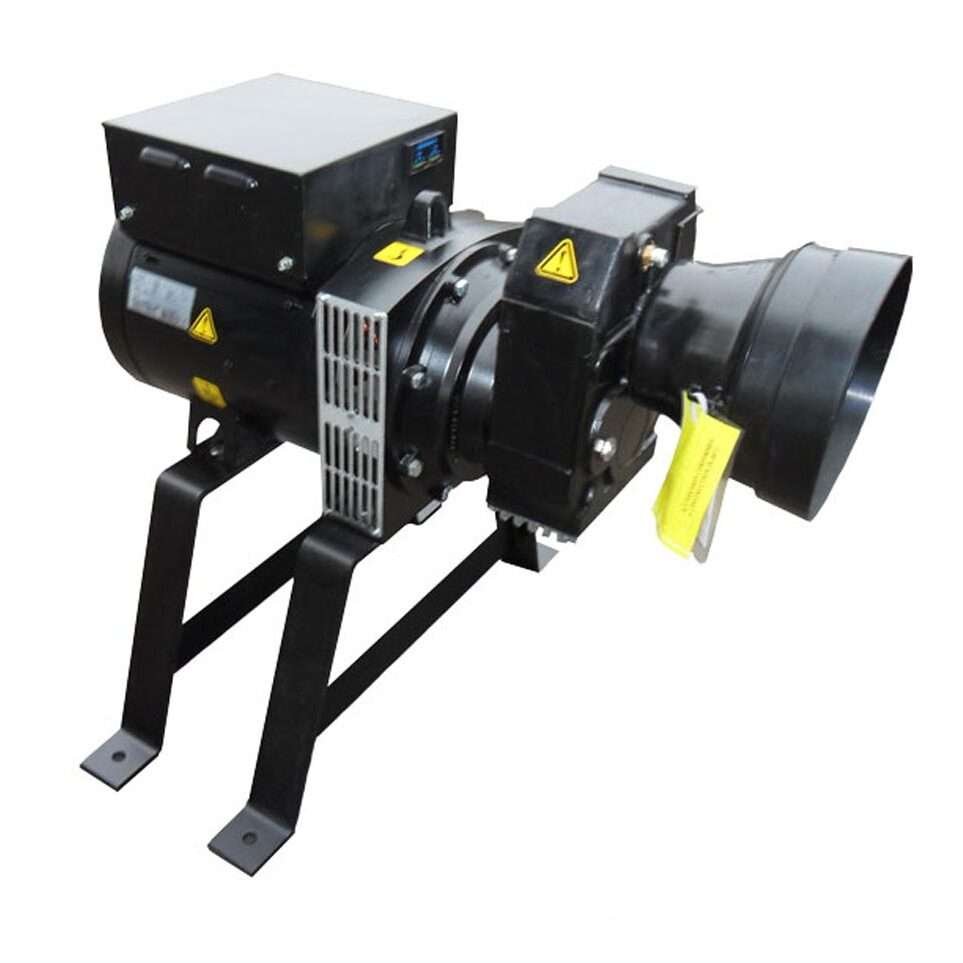
When the lights go out, or you need robust power far from the grid, your tractor and PTO generator become a lifeline. But simply hooking them up isn't always enough to unlock their full potential. True efficiency, safety, and versatility come alive with the right PTO Generator Accessories & Enhancements. These aren't just add-ons; they're critical components that bridge the gap between raw tractor power and usable electricity, ensuring your system runs smoothly, reliably, and tailored to your specific needs. From the essential connections that transfer power to sophisticated monitoring systems that keep you informed, understanding these enhancements means the difference between a basic setup and a truly resilient power solution.
At a Glance: Key Takeaways for PTO Generator Accessories
- Essential Connections: PTO shafts and three-point hitch kits are foundational for safe and efficient power transfer and generator stability.
- Enhanced Mobility: PTO trailers or carts provide crucial portability for larger generators, making them easier to transport across properties.
- Safety First: Proper accessory selection, like correctly sized shafts and grounding kits, drastically improves operational safety and equipment longevity.
- Automated Reliability: Automatic Transfer Switches (ATS) simplify emergency power, seamlessly switching between utility and generator power.
- Power Protection: Voltage regulators and circuit breakers protect sensitive electronics from fluctuations.
- Smart Monitoring: Gauges and monitoring systems offer real-time insights into your generator's performance, preventing issues before they arise.
- Tailored Solutions: The best accessories depend on your specific generator, tractor, intended use (home backup, remote work), and budget.
Why PTO Generator Accessories Matter: Beyond the Basic Setup
A Power Take-Off (PTO) generator is a marvel of practical engineering, transforming your tractor's mechanical energy into electrical power. It's a cost-effective and powerful solution for everything from powering remote construction sites to providing emergency backup during outages. But the generator unit itself is only one part of the equation. Without the right accessories, you might be struggling with inefficient power transfer, unstable setups, or even significant safety risks.
Think of it this way: you wouldn't drive a high-performance vehicle without the right tires, mirrors, or safety features. Similarly, optimizing your PTO generator setup with appropriate accessories isn't just about convenience—it's about maximizing performance, ensuring safety, and extending the lifespan of both your tractor and generator. These enhancements make your power source more adaptable and significantly more effective in emergency or remote situations, providing a reliable connection from your tractor's drive shaft to your home or business.
The Essential PTO Connection: Shafts, Hitches, and More
The foundation of any successful PTO generator setup lies in secure, efficient mechanical connections. These components are non-negotiable for safe and effective operation.
PTO Shafts: The Heartbeat of Power Transfer
The PTO shaft is the critical link that transmits mechanical power from your tractor's PTO output to the generator's input shaft. It's not a "one-size-fits-all" component; selecting the right one is paramount for safety, efficiency, and preventing costly damage.
- Understanding Shaft Types: PTO shafts vary by size, spline count, and length. Tractor PTO outputs typically come in 6, 8, or 21 splines, and your generator will have a matching input. Diameters also vary (e.g., 1-3/8" or 1-3/4"). It's crucial that the shaft's splines match both your tractor and generator.
- Length is Key: An improperly sized shaft—too long or too short—can lead to severe problems. Too long, and it can "bottom out" (compress fully) during operation or when navigating uneven terrain, potentially damaging the tractor's PTO or the generator's gearbox. Too short, and it may disconnect during use, especially when the tractor articulates or moves over bumps. You need enough overlap between the two halves of the shaft to maintain engagement through the full range of motion.
- Safety Mechanisms: Modern PTO shafts often incorporate safety features like shear bolts or friction clutches.
- Shear bolts: Designed to break if the load on the shaft exceeds a certain threshold, protecting the tractor and generator from overload. They are replaceable, making them a cost-effective safety measure.
- Friction clutches: These units allow for slippage under excessive load, preventing torque spikes and absorbing shock. They are more expensive but offer continuous protection without needing replacement after each overload event.
- Selection Criteria: When you're selecting the right PTO shaft, consider your tractor's horsepower, the generator's required RPM (typically 540 RPM or 1000 RPM), the distance between the tractor's PTO and the generator's input, and the type of terrain you'll be operating on. Always consult your tractor and generator manuals for specific recommendations.
Three-Point Hitch Kits: Stability and Mobility
Most PTO generators are designed to be mounted on a three-point hitch, particularly for units up to 100 kW or so. A three-point hitch kit provides a robust and stable mounting platform, allowing you to easily attach, transport, and position your generator.
- Function and Benefits: A three-point hitch kit ensures the generator remains securely attached to the tractor, preventing tipping or shifting during operation or transport. This stability is vital for maintaining the correct alignment between the PTO shaft and the generator, minimizing wear and tear. It also allows you to lift the generator off the ground for easier positioning and to protect it from moisture or debris. When setting up a three-point hitch generator, ensure the kit is rated for the weight of your generator.
- Installation Tips: Installation is typically straightforward, involving attaching the kit to the generator frame and then connecting it to your tractor's three-point linkage. Always use the appropriate pins and secure them with clips. Adjust the leveling links to ensure the generator is level and the PTO shaft angle is as straight as possible, minimizing U-joint stress.
PTO Trailers & Carts: The Ultimate in Portability
For larger PTO generators or situations where you need to frequently move your generator across varying terrain, a dedicated PTO trailer or cart becomes an invaluable asset. These accessories elevate mobility and operational flexibility.
- When to Use Them: If your generator is too heavy for your tractor's three-point hitch, or if you need to tow it behind a truck or ATV, a specialized trailer is the solution. They are particularly useful for farming operations, construction sites, or remote event power where the generator needs to be relocated often.
- Advantages: PTO trailers provide a stable, wheeled platform, allowing for easy transport over longer distances or rough ground without stressing your tractor's hitch. They typically feature adjustable hitches (pintle, ball, or ring) and robust axles. Some even come with integrated fuel tanks or storage compartments.
- Safety for Towing: When using a PTO trailer, always ensure proper tire inflation, check brake functionality (if equipped), and secure the generator to the trailer frame. Follow local regulations for road towing, including lighting and safety chains. For enhanced portable power solutions for your farm, these trailers ensure your generator is always where you need it, when you need it.
Boosting Performance & Safety: Advanced Enhancements
Beyond the fundamental connections, a range of accessories can significantly improve your PTO generator's performance, protect your equipment, and enhance user convenience.
Automatic Transfer Switches (ATS) for Seamless Backup
An Automatic Transfer Switch (ATS) is a sophisticated control panel that monitors your primary utility power. When an outage occurs, the ATS automatically disconnects your home or business from the utility grid and signals your generator to start. Once generator power is stable, it switches your load to the generator. When utility power returns, it reverses the process.
- How They Work with PTOs: While PTO generators themselves aren't usually designed for fully automatic startup (they require manual tractor engagement), an ATS can still play a crucial role. You would manually start your tractor and engage the PTO, bringing the generator online. The ATS then handles the transfer of power to your connected loads. This setup is ideal for those seeking reliable emergency backup power systems without the higher cost of a fully automatic, standalone generator.
- Benefits: Safety is paramount—an ATS prevents "backfeeding" electricity into the utility lines, which can be deadly for utility workers. It also offers immense convenience, especially for properties requiring constant power, minimizing downtime during an outage.
Voltage Regulators & Circuit Protection: Guarding Your Equipment
The quality of power produced by any generator can fluctuate, especially under varying loads. These fluctuations can be detrimental to sensitive electronics and appliances.
- Importance of Stable Power: Voltage regulators (often built into modern generators, but external units can provide additional stability) ensure that the output voltage remains within acceptable limits, preventing sags or surges that could damage computers, refrigerators, or medical equipment.
- Overload Protection: Circuit breakers and fuses are essential safety devices that protect your generator and connected devices from excessive current. If an appliance or circuit draws too much power, the breaker trips, preventing damage to the generator's alternator or wiring, and reducing the risk of fire. Always ensure your generator has properly sized circuit protection for its output capacity.
Monitoring & Control Systems: Smart Power Management
Staying informed about your generator's operation is key to preventing problems and ensuring longevity. Monitoring accessories provide crucial real-time data.
- Essential Gauges:
- Hour Meters: Track total operating hours, essential for scheduling routine maintenance like oil changes and filter replacements.
- Voltmeters: Display the output voltage, allowing you to verify stable power delivery.
- Frequency Meters (Hz Meters): Indicate the generator's rotational speed, as frequency directly relates to RPM (e.g., 60 Hz for 3600 RPM on a two-pole generator). Maintaining correct frequency is critical for motor-driven appliances.
- Ammeters: Show the current being drawn, helping you monitor load and avoid overloading the generator.
- Remote Monitoring Options: Some advanced systems offer remote monitoring capabilities, allowing you to check critical parameters from a smartphone or computer. While less common for basic PTO setups, these can be integrated for more sophisticated applications, sending alerts if voltage drops or an overload occurs.
Weather Protection & Enclosures: Durability in Any Condition
Exposing your PTO generator to the elements can significantly shorten its lifespan and impair its performance.
- Why It Matters: Rain, snow, dust, and direct sunlight can damage electrical components, corrode metal parts, and clog air intakes. Adequate protection is crucial for reliable operation.
- Types of Protection:
- Protective Covers: Simple, waterproof covers are excellent for keeping the generator dry when not in use.
- Portable Enclosures/Canopies: More robust options include steel or aluminum canopies that protect the generator during operation, offering shelter from rain and sun while allowing for proper ventilation.
- Dedicated Sheds: For permanent or semi-permanent installations, a well-ventilated, weather-resistant shed can provide the best protection, also offering some noise reduction. Ensure any enclosure allows for ample airflow for cooling and exhaust venting away from occupied areas.
Installation & Safety Best Practices: Powering Up Responsibly
Even with the best accessories, improper installation or unsafe operating practices can lead to accidents, equipment damage, or personal injury.
- Pre-Operation Checks: Before every use, inspect the PTO shaft for damage, ensure all connections are secure, check fluid levels in the tractor, and verify that the generator is properly grounded.
- Proper Grounding: This is non-negotiable. Your generator must be properly grounded to protect against electrical shock. This typically involves driving a ground rod into the earth and connecting it to the generator's frame. For home backup, grounding requirements are often handled by the transfer switch installation. Always consult an electrician for permanent installations.
- Ventilation: Generators produce heat and exhaust fumes (carbon monoxide). Always operate your generator in a well-ventilated area, never indoors or in an enclosed space. Position the exhaust away from windows, doors, and air intakes to prevent dangerous fumes from entering buildings.
- Regular Maintenance: Adhere to the maintenance schedule for both your tractor and generator. This includes oil changes, filter replacements, spark plug checks, and inspecting electrical connections. A well-maintained system is a reliable and safe system. For more detailed advice, refer to essential maintenance for your PTO generator.
- Load Management: Avoid constantly running your generator at maximum capacity. This stresses the engine and alternator. Distribute loads and avoid simultaneously starting multiple large appliances.
Choosing the Right Accessories: A Decision Framework
With so many options, how do you decide which accessories are right for you? It comes down to understanding your specific needs and constraints.
- Generator Size and Type: The physical dimensions and power output of your generator will dictate the type of PTO shaft, three-point hitch kit, or trailer required. Larger generators naturally demand heavier-duty accessories.
- Tractor Compatibility: Your tractor's PTO horsepower, RPM settings (540 vs. 1000), and three-point hitch category (Cat I, II, III) are critical factors. Ensure all accessories are compatible with your specific tractor model.
- Intended Use:
- Emergency Home Backup: You might prioritize an ATS, robust grounding, and possibly a protective enclosure for a semi-permanent setup.
- Remote Work/Farm Operations: Mobility might be key, making a PTO trailer or a sturdy three-point hitch kit essential. Consider weather protection if it's exposed frequently.
- Occasional Use: Basic necessities like the correct PTO shaft and grounding kit might suffice, with perhaps a simple cover for storage.
- If you're looking for broader portable power solutions for your farm, accessories that enhance mobility and durability in harsh conditions will be a priority.
- Budget vs. Long-Term Value: While some accessories might seem like an added expense, consider their long-term value in terms of increased safety, extended equipment life, and reduced downtime. Investing in quality accessories often pays for itself many times over.
Common Questions & Misconceptions About PTO Generator Accessories
"Can I use any PTO shaft I have lying around?"
Absolutely not. Using an incorrect PTO shaft is one of the most common and dangerous mistakes. An incompatible shaft (wrong length, wrong spline count, or missing safety features) can cause catastrophic damage to your tractor's PTO output, the generator's gearbox, or even lead to severe injury. Always ensure a perfect match in length, spline count, and capacity.
"Do I really need a three-point hitch? Can't I just put the generator on the ground?"
While you can operate some smaller generators directly on the ground, a three-point hitch kit offers significant advantages, especially for larger units. It provides stability, ensures proper PTO shaft alignment, and keeps the generator off the damp ground, protecting it from moisture, mud, and debris. It also makes transport and positioning much easier. If your generator is designed for hitch mounting, use it.
"Are PTO generator accessories universal?"
No, they are not. While some components like certain PTO shaft sizes are common, variations exist. Different generator brands and models have specific input shaft requirements. Tractor hitches come in different categories (Cat I, II, III). Always verify compatibility with your specific generator and tractor model before purchasing any accessory.
Investing in Reliability: Maximizing Your PTO Generator Potential
A PTO generator is a powerful asset, offering unparalleled flexibility and robust performance when you need it most. But its true potential is only fully realized when complemented by the right accessories and enhancements. These aren't just secondary purchases; they are integral components that guarantee safety, optimize efficiency, and dramatically extend the operational life of your entire power system.
By carefully selecting the appropriate PTO shafts, three-point hitch kits, trailers, and advanced monitoring or safety systems, you transform a basic power source into a resilient, adaptable, and truly dependable solution for any challenge. Take the time to assess your specific requirements, understand the benefits of each accessory, and prioritize safety in every decision. The result will be a power integration system that gives you confidence, control, and reliable electricity whenever and wherever you need it. To learn more about the core power sources themselves, you can always Explore PTO driven generators.